 Books
A literary agent and former book editor talks about publishing and what needs to change in light of Lee & Low's 2015 Diversity in Publishing Survey.
 Books
The process of reconstructing the past is fascinating, and that’s why I want to spend time working through its complexities and writing history myself. But if I honestly recall what drew me to reading about the past in the first place, it is fiction. Specifically, children’s historical fiction presented as the diaries of girls my age, living through various periods in Canadian and world history.
 Books
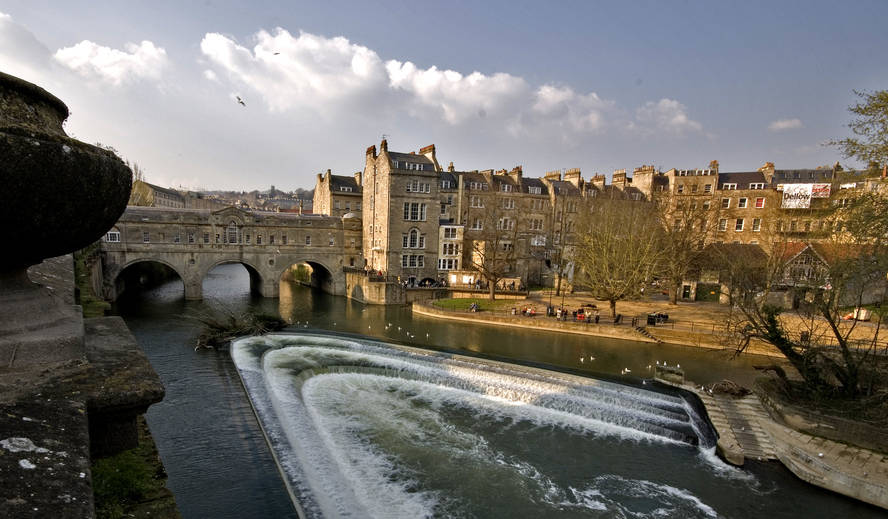
Constance Grady on the Jane Austen Centre and the Mr Darcy myth: "Popular culture has replaced Austen’s rude and awkward nerd with a dashing romantic hero."
 Books
Rebecca Turkewitz explores her own and other readers' fascination with the real places in which fictional literary works are set.
 Books
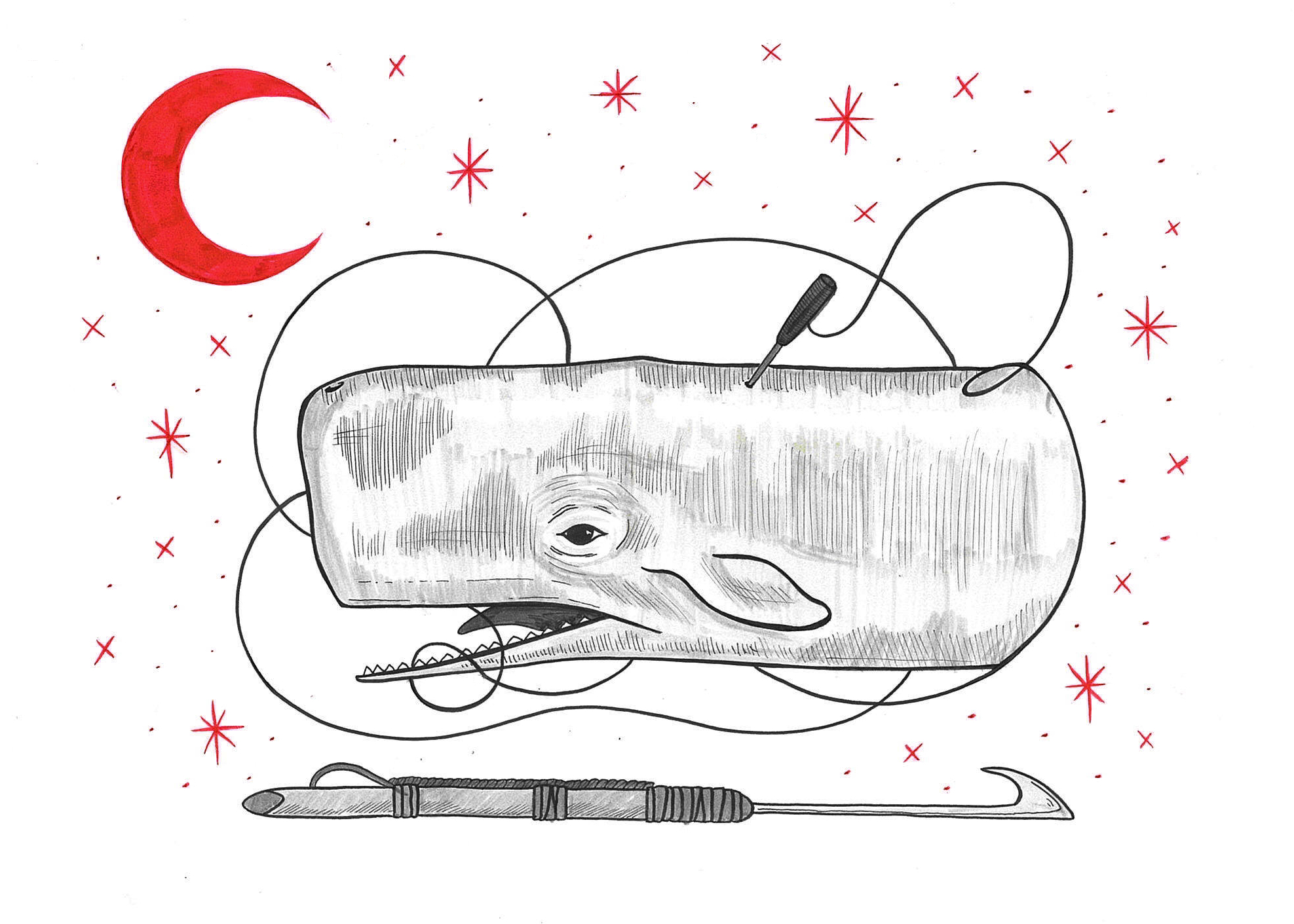
Mikaella Clements on her appreciation for Herman Melville and MOBY-DICK: "I had never before read anyone who understood the particular kind of fury I felt."
 Books
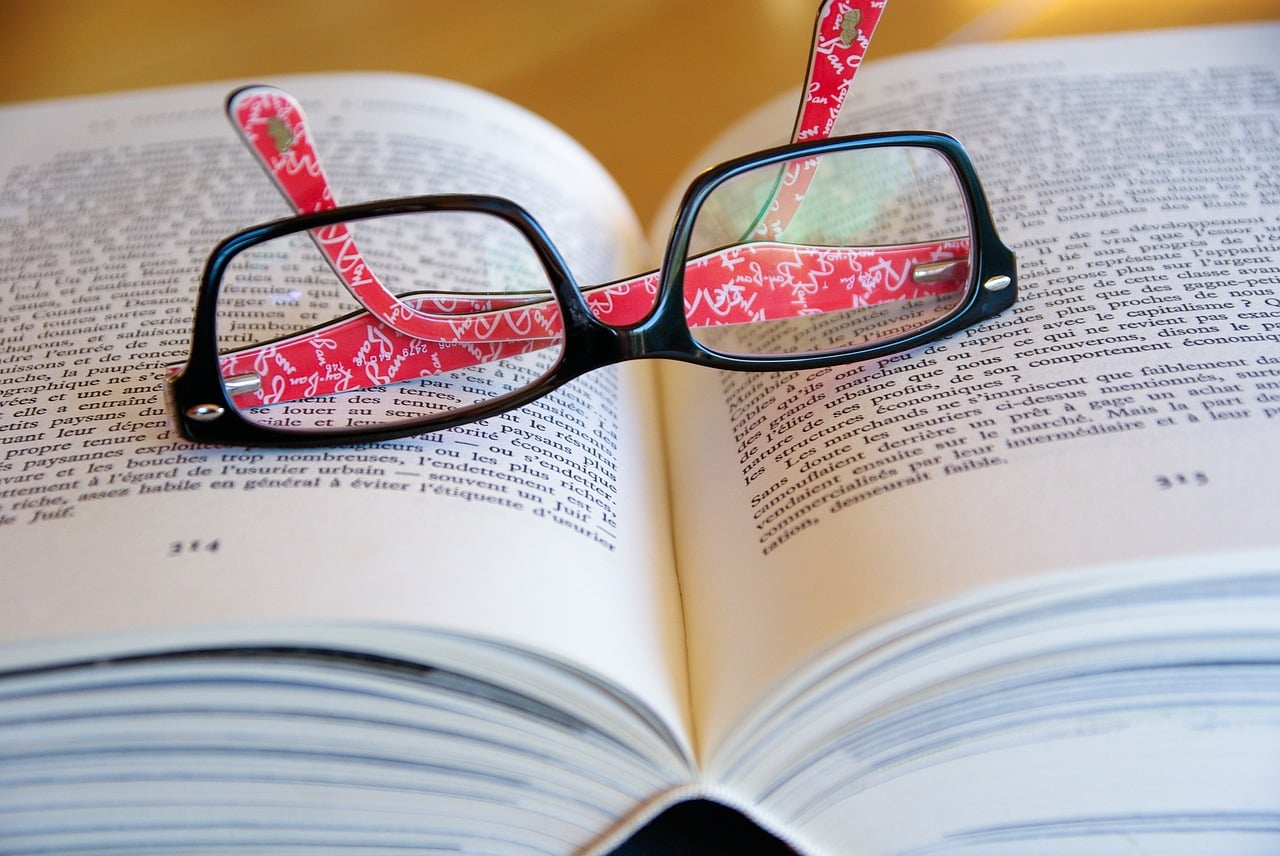
Miranda Pennington on her journey as a reader and a tomboy.
 Feminism
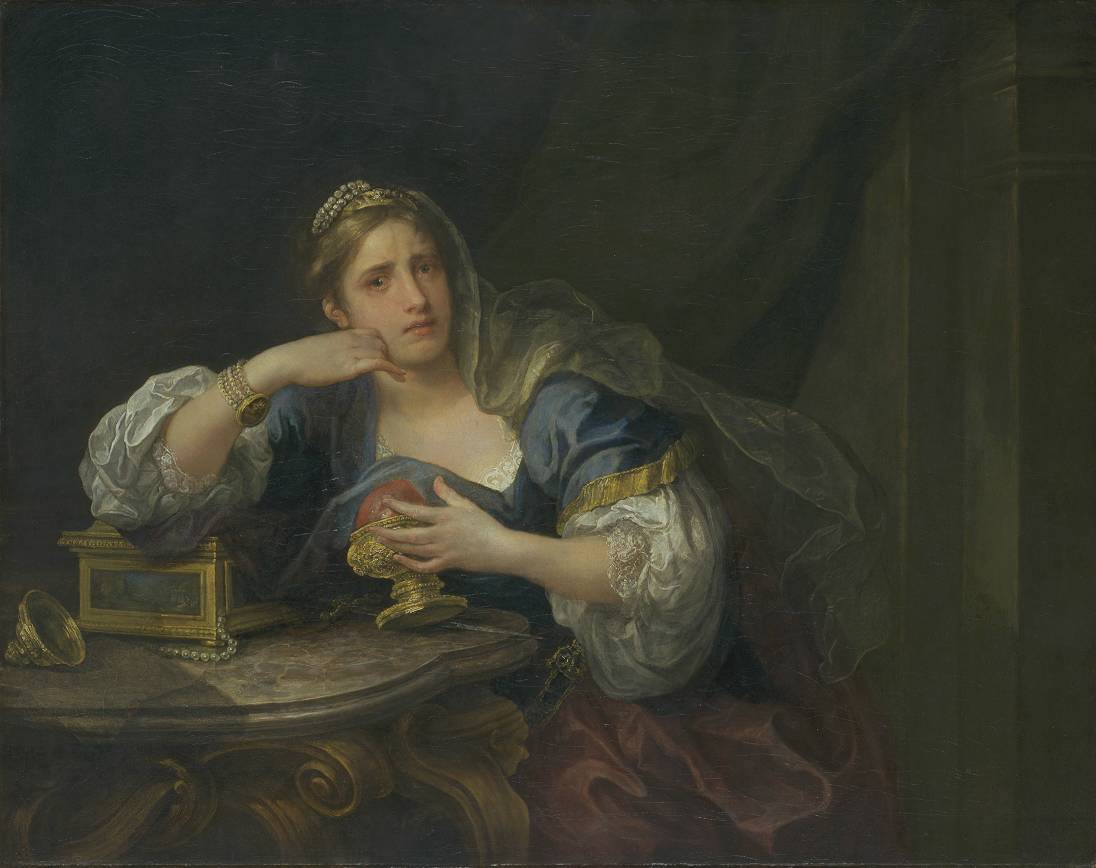
Mo Moulton on the poem "Ballade of Ladies who Died for Love" and the women who wrote it as a challenge to the literary trope of romanticized female suicide.
 Books
Stephanie Gorton Murphy on Djuna Barnes, Peggy Guggenheim, and the literary incubator that was Hayford Hall.
 Books
The pitiless sea!
 Books
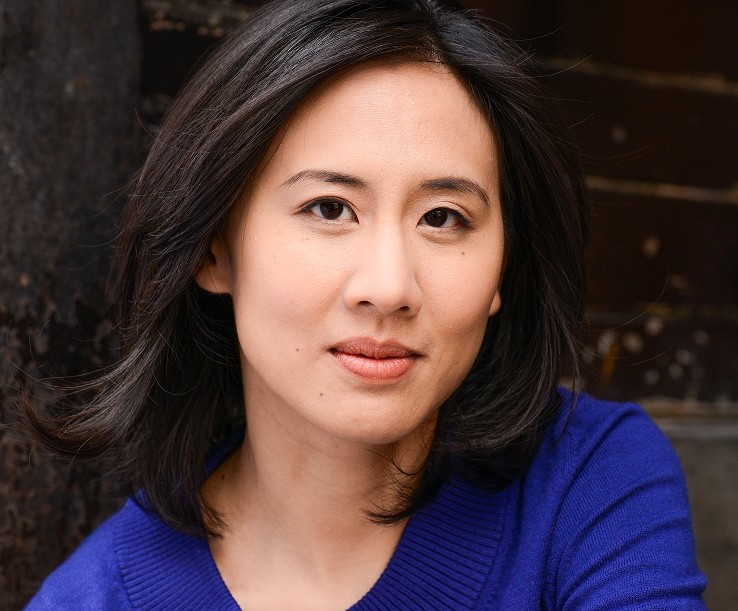
Nicole Chung talks with Celeste Ng about her novel, writing, addressing issues of race and culture, Asian Americans in the media, her next book, and more.
 Books
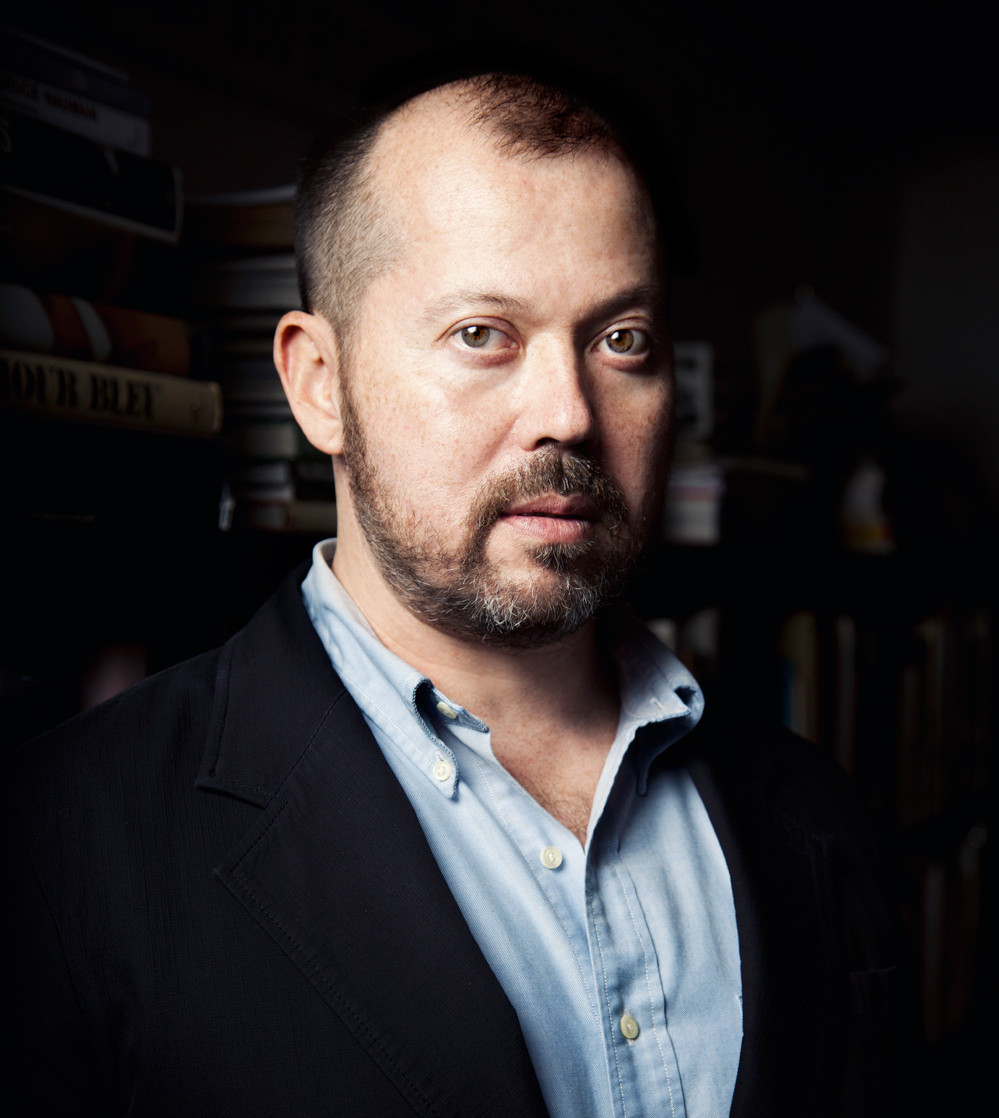
An interview with author Alexander Chee about writing, teaching, publishing, his recent "Future Queer" cover story for TNR, and more.
 Books
Noah Cho on teaching diverse literature and the impact it has on his students.
 Books
Karissa Chen on Asian/Pacific Islander American literature, how she defines it, and why we need more of it.
 Interviews
Morgan Jerkins talks to writer and activist Meredith Talusan.
 Books
Five Asian American women writers discuss APIA literature, race, identity, the role of APIA-centric publications, favorite books, and more.